|
|
|
|
Page Views: 3,203 |
| All about the color of Enlightenment (ultra-violet A, or iridescent if that's easier for you to picture). |
| Estimated reading time: 4 minute(s) (894 words) |
The Color of Enlightenment
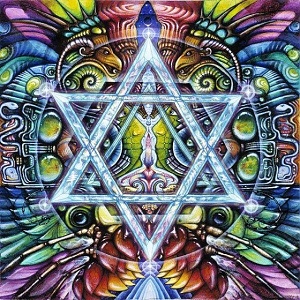
The word iridescence is a combination of the terms irid-, a variant of
the term irido- comes from the Greek word, meaning rainbow. In a rainbow all the
visible spectral colors are present. The other part of this word is
–escence comes from Latin and is a suffix that is added to nouns to denote
action or process, change of state or condition. When it is applied to other terms such
as irid- it means the process or quality of emitting or reflecting light. Here
we are dealing with rainbow colors that are luminous, shine or sparkle.
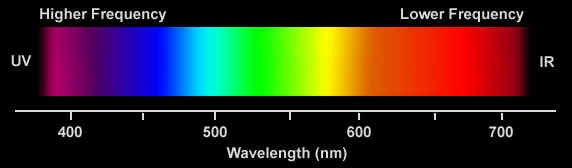
These rainbow or iridescence colors translate to become the colors that represent
ultraviolet. Ultraviolet does not have a place on the visual color spectrum, thus the
closest we can come to this, as a color, is the shine or shimmer of iridescence. To
observe a rainbow is to bear witness to a spectacle of heavenly glory, of celestial
wonder. The rainbow often symbolizes transfiguration, and behaves as a bridge between
Earth
and Paradise. For the Chinese, the rainbow was viewed as a symbol of the
yin -
inward flowing energy and the yang – outward flowing energy; it is typically
perceived as an act of divine benevolence, its colors reflecting divine qualities.
When this color is applied as a treatment it has been known to improve short term
memory loss, Chronic Fatigue Syndrome, Immune Deficiency Syndrome, Seasonal Attention
Disorder (SAD) also called winter depression, Premenstrual Syndrome (PMS), other forms
of depression, obsessive hunger, minor skin irritations, pink eye, some forms of
glaucoma; and to increase depth perception.
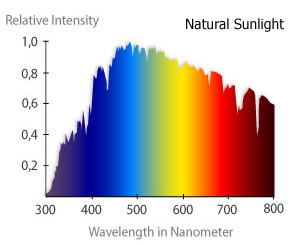
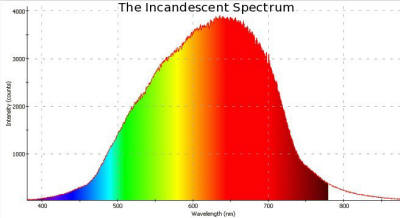
A term that has become synonymous along with health and sunshine is full spectrum
lighting. Normal incandescent light bulbs (the "old-fashioned", pre-florescent kind)
lean toward the red end of the spectrum; with little or no ultraviolet in their
spectrum. Compare the incandescent spectrum at the right, with the spectrum of natural
sunlight. Notice how much more blue and purple there is, implying more ultraviolet
beyond that, as well.
Ultraviolet light has specifically been used in the treatment of SAD. SAD, or
Seasonal Affective Disorder, occurs in people who do not receive enough exposure to
natural sunlight: for example, folks who live near the Arctic circle, and spend
winter-long nights with light bulbs being their only source of illumination. By
exposing them to the missing part of the spectrum—the ultraviolet—their
symptoms are almost instantly ameliorated.
Placing a rainbow of colors in a room can add excitement and make a statement of
versatility and be inviting to those using such a space. Iridescence in a space can add
the shine and fascination that can be soothing and provocative at the same time. Try
accenting any solid color rooms with iridescent colors and watch how they liven up the
room. These colors pick up the tone of any room or area. They add dimension and
dynamics to a room.
Wearing these colors can assist you to feel free and easy and relate to many more
subjects and ideas in your life. A rainbow scarf or belt or even jewelry can become a
topic of focus and interest for you and others. Find how these colors can be added to
your wardrobe to expand your sense and how others perceive you. Watch as you begin to
feel more alive and flowing.
Rainbows are used as a symbol of the union of the spiritual with the physical. It
has been known to help in releasing emotional blocks, assists its user to focus and
possess clear thinking, expands their spiritual selves to coalesce and conjoin with
their physical selves. Living with or through these colors forwards and improves your
sense of well being.
Rainbows are traditionally symbols of hope and promise for brighter times ahead.
Today we have many groups of people on the Earth who interpret these colors in many
ways. To natives of the Americas the rainbow colors represent the promise of peace
among all nations and all people. To the gay, lesbian, bisexual and transgendered
communities the symbol of the rainbow means acceptance of diversity and people of
varied sexual orientation. In Buddhist traditions, a rainbow is the highest state
attainable prior to what they term clear light
. It is said that this
state can be attained as what we call Enlightenment and is accompanied with an
iridescent light. (Remember, the Buddhists had no knowledge
This awareness of light and color can lead us to begin to use our eyes to see beyond
the spectrum of visible light. If you see a rainbow in the sky look to the edges of the
visible colors that you can see. Focus your attention on the ultraviolet (beyond
purple) and the infrared (beyond red) aspects and see if you can perceive the color
silver beginning to emerge just beyond the rainbow colors followed by gold. See if just
beyond the red end if bronze and brown begin to appear! Perhaps there will be a new way
to describe these extended perceptions of color all together!